AI-based wear detection for tillage tools
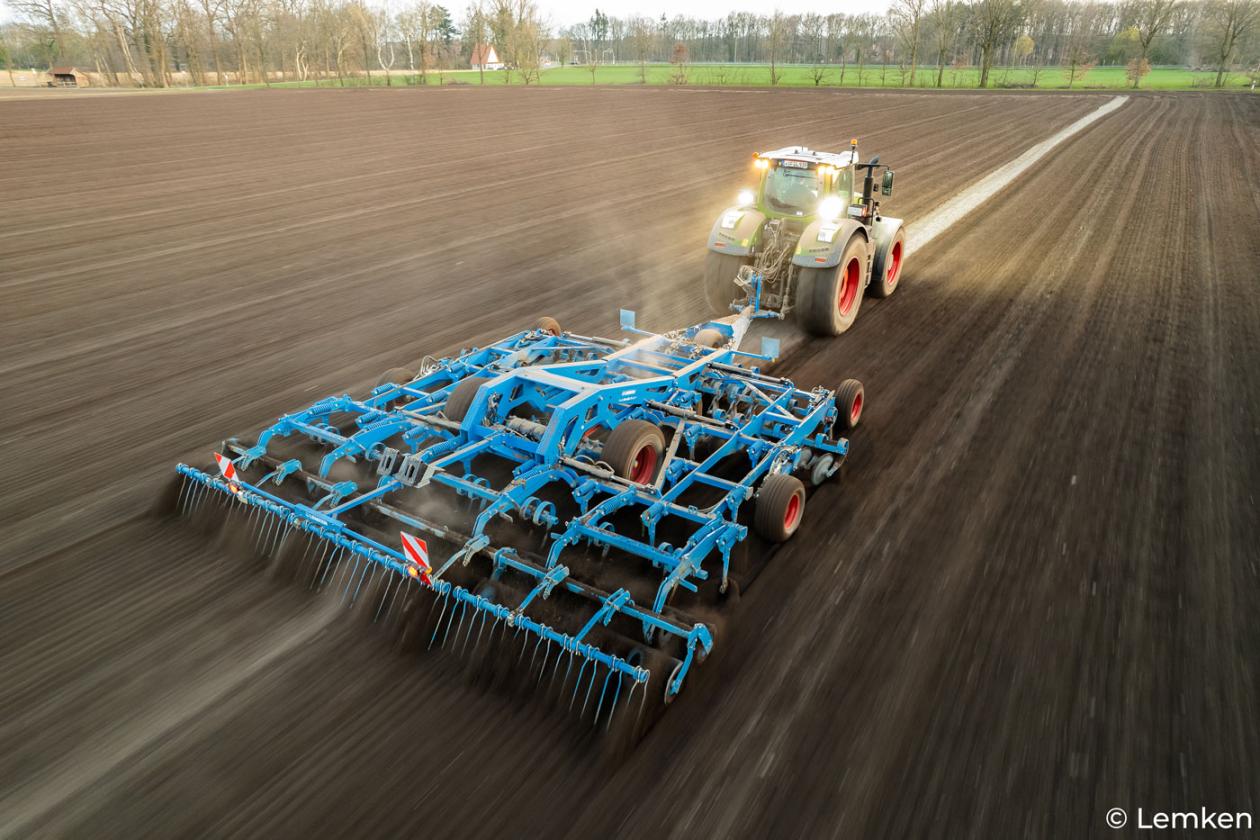
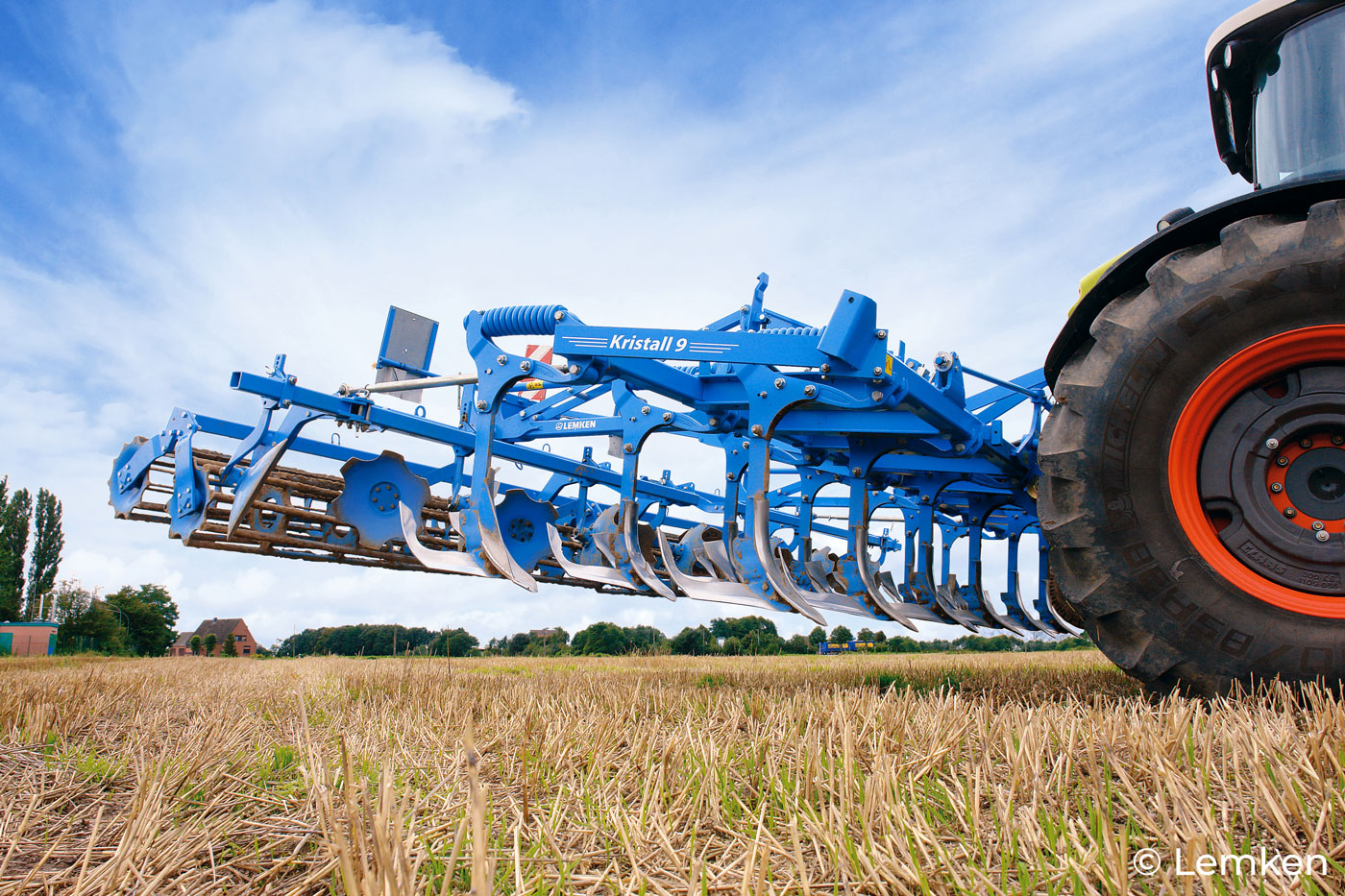
Worn cultivator shares, hoe blades, or plough shares impair tillage quality, increase fuel consumption, and drive-up operating costs for farmers. To date, farmers have typically assessed the condition of their tools by visual inspection — often only once work quality has already deteriorated. Modern tractors, however, already capture extensive machine data via the standardized ISOBUS interface, including engine torque, draft force, slip, and fuel consumption. This data has not yet been systematically used to evaluate the condition of wear parts.
Combining machine data and soil data
This is where the kiSOBUS project comes in. The LZH, together with AgDoIT GmbH and the Lower Saxony farming operations of Heiner Duensing and Sebastian Elsner, is developing a system that links machine data from the ISOBUS interface with mapped soil data — including soil moisture, soil type, and yield maps. Machine learning algorithms analyze how varying operating conditions affect tool wear, and the system uses this analysis to generate predictions for optimal replacement intervals. In addition, the partners capture actual material loss and geometric changes in the shares using 3D scans, feeding this data directly into the wear models.
Integration into existing systems
The system is being tested under real-world conditions on arable fields in Lower Saxony. The solution is designed to integrate directly into existing ISOBUS terminals and farm management systems, allowing farmers and agricultural contractors to adopt it without any additional hardware investment. The result is an objective, data-driven tool for the predictive maintenance of tillage equipment — enabling tool replacement decisions to be based on the actual wear status.
About kiSOBUS
The LZH, together with the farming operations of Heiner Duensing and Sebastian Elsner and AgDoIT GmbH, is a project participant in the Operational Group "kiSOBUS" under the European Innovation Partnership for Agriculture (EIP-Agri). The funding program supports collaborative innovation projects that drive progress towards a competitive, sustainable, and animal-friendly agricultural and food sector. Its aim is to foster innovation and improve knowledge exchange between research and agricultural practice. Associated partners are Maschinenfabrik Bernard KRONE GmbH & Co. KG and LEMKEN GmbH & Co. KG.
Further information is available at www.eip-nds.de.